

Property taxes in the Township of Langley are due July 2, 2026. Some homeowners, especially seniors, use B.C.’s property tax deferment program to aid in managing that bill.
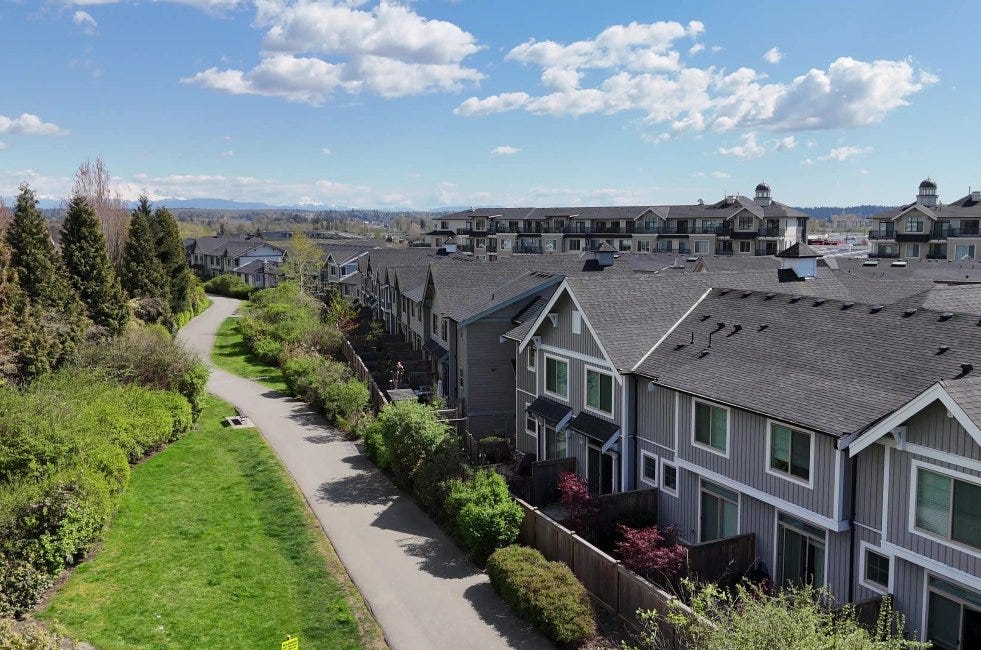
Deferment is basically a provincial loan program that enables eligible homeowners to postpone paying their current year property taxes, with interest. In the same year that Township Council is debating the 2026 budget, the Province has announced changes to how deferment interest would work for 2026 and later taxes.
So what exactly does this mean for residents? I did the research so you don’t have to.
Is the interest formula for property tax deferment changing for 2026 and later taxes?
Fact Check: True
I checked the official website of the Government of British Columbia and for 2026 and later tax years, the Province says the budget includes changes to the interest rate terms for any deferments from 2026 on. These are subject to approval by the Legislative Assembly and any required regulation changes.
It looks like the change being made involves the new program using compound interest. The Province says the interest will compound monthly at an annual rate of 2% above the prime rate of the government’s principal banker, and that on the 23rd day of each month accrued interest is added to the balance and then becomes part of what interest is calculated on next month.
Have Township property taxes increased each year since 2023, and what does that add up to by the 2026 draft budget?
Fact Check: True
The Township’s budget communications for the last few years describe the annual property tax increases associated with each budget:
In 2023, the Township said its approved budget was supported by a 5.37% increase to property taxes.
In 2024, the Township said its budget was supported by a 6.88% increase to property taxes.
In 2025, the Township said its budget was supported by a 4.50% increase to property taxes.
For 2026, the Township’s budget page says the draft 2026 budget reflects a universal services increase of 3.98%, shown as $108.22 for the average residential home value used in the document.
I want to quickly mention that describing increases as “single digit” over a few years may not reflect the cumulative effect of multiple annual increases. The individual increases do not simply add up, because each year’s percentage applies to a higher base than the year before.
To show how compounding interest works, a simple example using the Township’s published percentage changes is if the Township portion of a homeowner’s property taxes was $1,000 before the 2023 increase, then applying 5.37%, then 6.88%, then 4.50%, then 3.98% produces about $1,223.71. That is about a 22.4% increase across those four years. Individual tax bills can also vary based on factors like assessment shifts and other charges on the notice.
This matters in 2026 because deferment, for people who use it, is tied to the size of the bill being deferred. A larger bill means a larger loan balance, and starting in 2026, the Province says that balance will accumulate interest differently than in prior years.
Could the 2026 deferment changes affect residents who have used deferment in the past even if they do not agree to the new terms?
Fact Check: Probably, unless you opt out
I found a section on the province’s deferment interest page that says that if you are registered for automatic renewal, your 2026 and subsequent years property taxes will be autodeferred under the new interest rate terms unless you opt out.
This would mean that some residents who deferred in the past could have their 2026 property taxes added to their existing deferment balance by default, and those 2026 taxes would begin accruing interest under the new “prime plus 2% compounded monthly” rules I mentioned earlier.
The Province sets the deferment interest rules, and the Township sets the local tax rate. In 2026, those two systems intersect more directly than many homeowners may realize.
For residents who already defer under automatic renewal, the big question for 2026 is whether they want their 2026 taxes to be deferred under the new terms by default, or whether they would prefer to opt out and pay the 2026 taxes directly by the municipal due date.