

I still remember, in the 2022 election, Councillor Michael Pratt introduced himself to voters as the unaffiliated candidate. According to his Township candidate profile, he emphasized “independent thinking” and “respect for the taxpayer.”
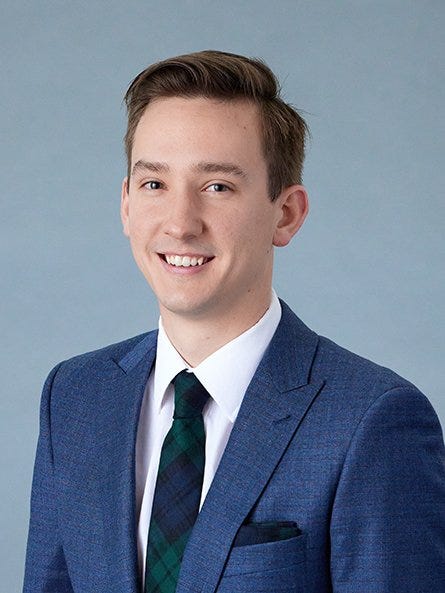
By 2025, Pratt is listed as part of Mayor Eric Woodward’s Progress for Langley slate. In this post, I summarize publicly available information showing how his role on council evolved from being elected as an independent to joining that slate.
Was Michael Pratt elected as an independent in 2022 and later publicly affiliated with Progress for Langley?
Fact Check: True
Pratt ran and was elected as an independent in 2022. According to his Township candidate profile, he appeared to emphasize independent thinking, thoughtful planning, and respect for the taxpayer, consistent with how he appeared on the ballot.
By 2025, that description as an independent no longer applies. The Progress for Langley website lists Pratt as part of the slate alongside Mayor Woodward and other councillors, and the Langley Advance Times confirmed that he is joining the Progress for Langley slate going into the next election cycle. In other words, he was elected as an independent councillor and was later presented publicly as part of the Progress for Langley slate.
Before he joined the slate, did Pratt usually vote differently from the council majority on major issues?
Fact Check: Sort of
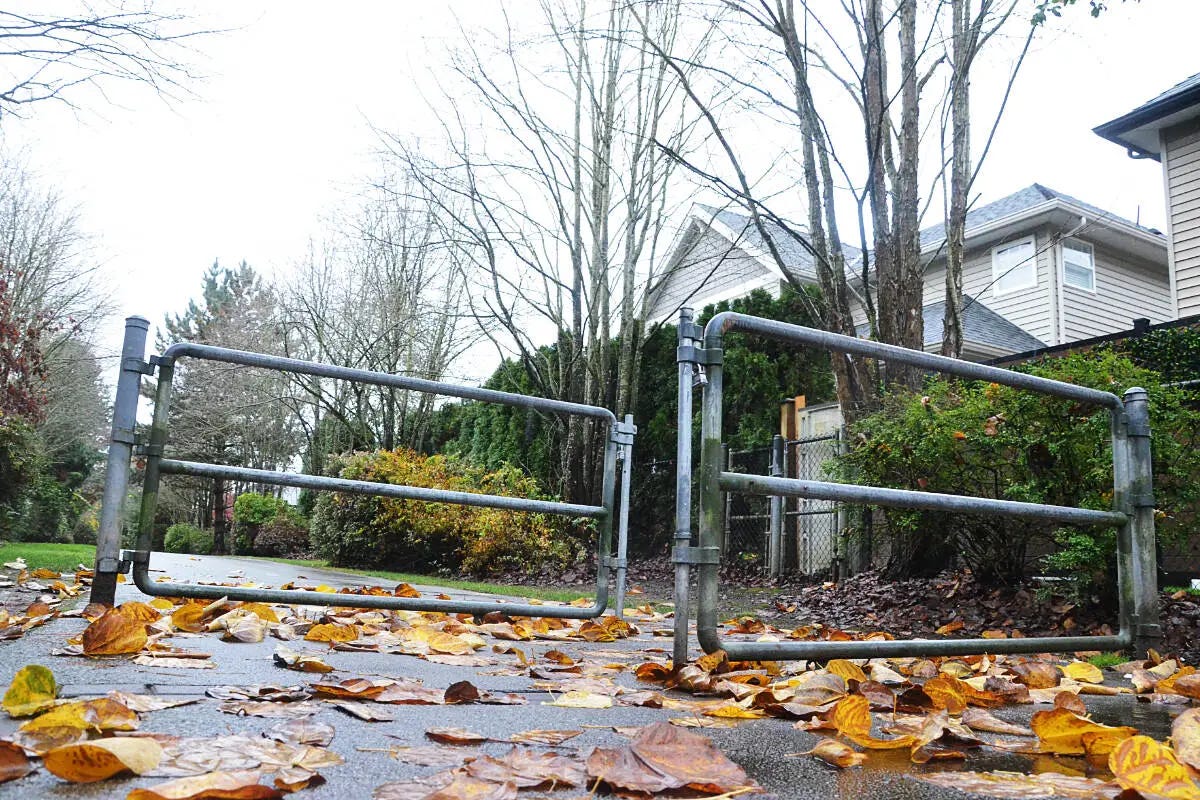
Early in the term, Pratt pushed his own initiatives and raised questions. For example, he is reported to have pushed for a pilot program to remove or redesign trail “maze gates” to improve access for wheelchairs, scooters, or larger strollers. That motion appears to have received support from both slate and non slate councillors.
On financial and growth decisions, the picture is mixed. Public records show that borrowing was approved for water and facility projects, the development cost charge bylaw was updated, and major rezonings were approved. Public records indicate that Pratt supported several of these financial and growth measures.
Taken together, public records show a mixed pattern. It appears, based on publicly available information, that Pratt pursued independent initiatives on some specific issues, notably around accessibility and active transportation. At the same time, on larger budget and growth decisions, his visible voting record generally aligns with the council majority rather than standing apart from it.
Looking at major borrowing and fee decisions during this term, is there clear evidence that Pratt prioritized taxpayer impact in his public actions?
Fact Check: Debatable
Pratt campaigned on respect for the taxpayer while the governing slate emphasized catching up on infrastructure and new amenities. During this term, council approved borrowing for water projects, road upgrades, and other facilities. Readers can consider Pratt’s role by reviewing his votes on these matters.
That does not make him uniquely responsible for the Township’s debt direction. Borrowing decisions are ultimately made by council through majority vote. It does mean that the councillor who ran as an independent voice with “respect for the taxpayer” on his Township candidate profile now appears aligned with a group that approved borrowing for large projects during the term.
In 2022, it was accurate to describe Michael Pratt as an independent councillor who wanted to bring a long term, taxpayer focused perspective to Township decisions. By 2025, he has joined the mayor’s slate, and public records indicate that his work on big files sits inside that collective approach.
From my reading of the minutes and public notices, Pratt appears to bring a careful, policy minded approach to the issues he takes on. The change is that the independent role he campaigned on now operates within the slate with which he is aligned, under which council approved higher borrowing levels than past terms. How residents feel about this shift will depend on how they weigh the value of the projects being built against the higher levels of debt and taxation that support them.